Every school term, Kenyan parents ask the same questions: what is CBE, is it different from CBC, what exam comes at the end of this grade, and what happens after Grade 9? This guide answers them in one place, stage by stage, and links to a free tool that tailors the answer to your child's exact grade.
What CBE actually means
Competency Based Education (CBE) is Kenya's current school curriculum. Instead of ranking learners by a single mean score, it asks whether a learner can demonstrate what they know: communicate, collaborate, think critically, create, act as a citizen, use digital tools and keep learning. Those seven competencies sit behind every curriculum design from pre-primary to Grade 12.
In the classroom that means learner-centred lessons, practical and project work, and continuous school-based assessment that builds a picture of progress over years. A national assessment then closes each major stage, rather than one exam deciding everything at age thirteen.
CBC or CBE: why you see both names
The approach launched in 2017 as the Competency Based Curriculum (CBC). Ministry of Education communications now use Competency Based Education (CBE), and schools, parents and search engines still use both names. They describe the same curriculum family: the 2-6-3-3 structure of two pre-primary years, six primary years, three junior years and three senior years continues unchanged. A rename does not move your child's grade, school or reporting.
The ladder from PP1 to Grade 12
- Pre-Primary (PP1-PP2, ages 4-5): play-based language, numeracy and movement. Progress is observed and reported by the school; there is no national exam.
- Lower Primary (Grade 1-3): literacy, numeracy and Environmental Activities, with movement and creative play. Assessment is continuous and school-based.
- Upper Primary (Grade 4-6): the full subject spread, including Science and Technology, Agriculture, Social Studies and Creative Arts. Grade 6 ends with KPSEA.
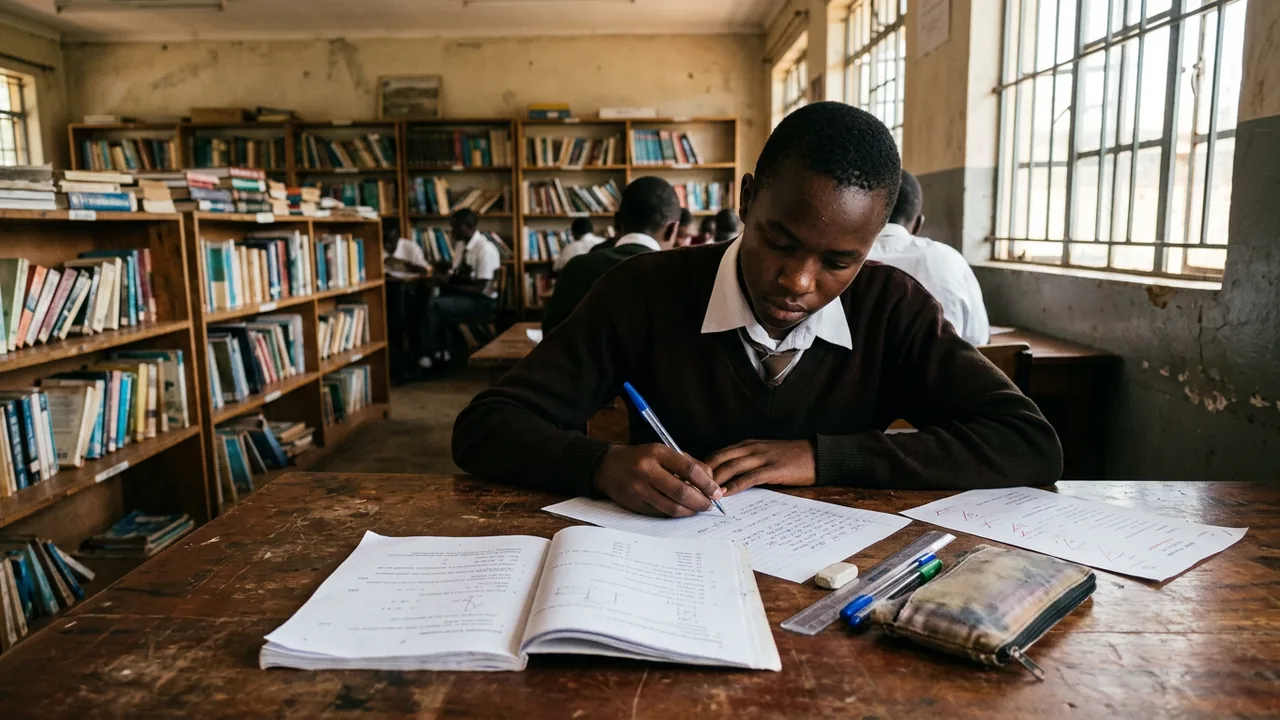
- Junior School (Grade 7-9): nine learning areas, adding Integrated Science and Pre-Technical & Pre-Career work. Grade 9 ends with KJSEA and the senior school pathway choice.
- Senior School (Grade 10-12): one of three pathways plus four core subjects, ending with KCBE and placement into university, TVET or college.
Our CBE Explained tool opens the exact stage for your child's grade: what the year teaches, which assessment ends it, what comes next and two things you can do at home this term.
The three national assessments
KPSEA (Kenya Primary School Education Assessment) closes Grade 6. It reports performance levels per learning area, completing the picture the school-based reports built through upper primary.
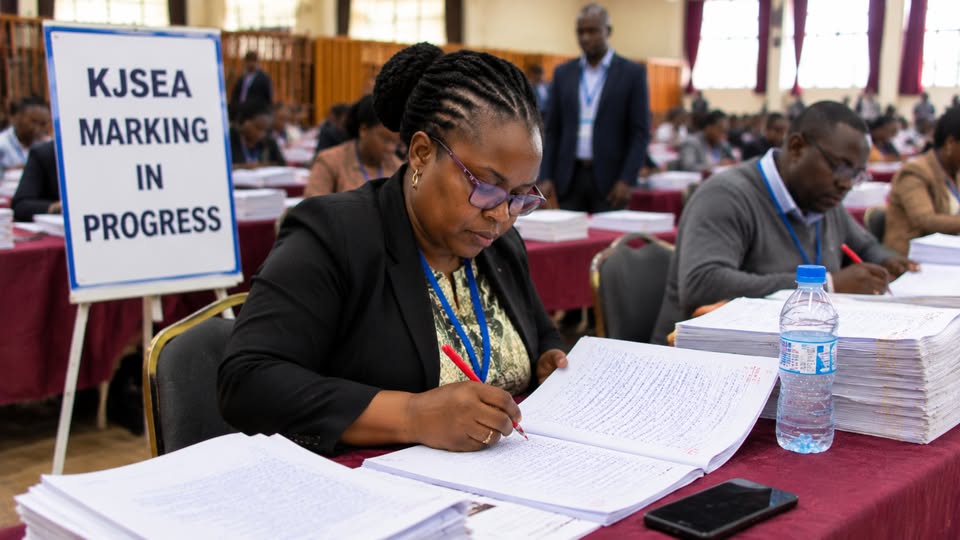
KJSEA (Kenya Junior School Education Assessment) closes Grade 9. It is reported in eight performance levels, EE1 down to BE2, worth 8 to 1 points. Together with the learner's pathway choice, KJSEA results feed senior school placement. You can translate real levels into a placement score with the Grade Calculator.
KCBE closes Grade 12 on the published seven-level grading framework, from Exceeding Expectations down to Major Difficulties. The first cohort under the current structure is expected to sit it around 2028, so today's Grade 10 and 11 parents are planning ahead of the first sitting, not behind it.
Grade 10 pathways: the choice that matters
The Ministry of Education is explicit that the senior school choice starts in Grade 9: every learner chooses one of three pathways and a combination of subjects within it.
- STEM: sciences, mathematics and technical subjects, for engineering, health and technology directions.
- Social Sciences: humanities, languages and business subjects, for law, education, commerce and public service.
- Arts & Sports Science: performing arts, visual arts and sports science, for creative and athletic careers.
All three pathways keep four cores: English, Kiswahili or Kenyan Sign Language, Community Service Learning and Physical Education. The Ministry's advice to parents is to start the conversation early and choose on the learner's strength and interest. A pathway forced by prestige wastes three years and the KCBE result that follows them.
What to do this term
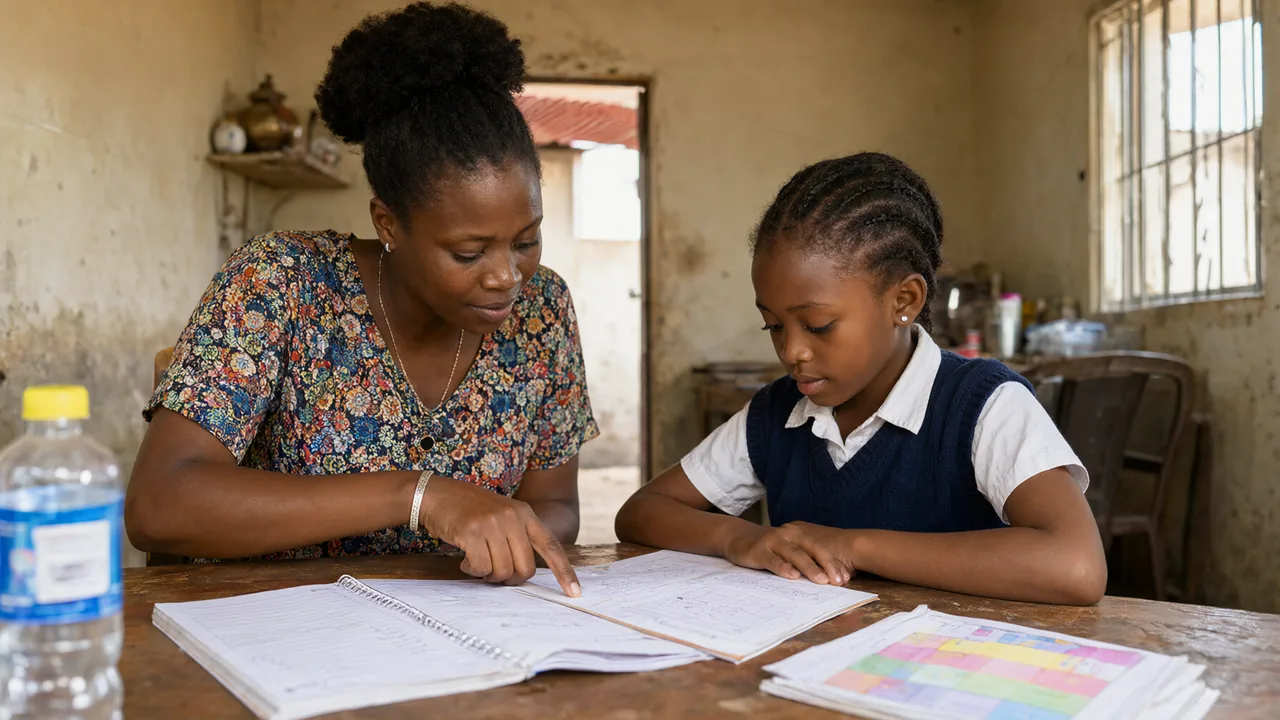
- Open the CBE Explained tool and select your child's grade so you know exactly which stage and assessment you are in.
- Read the latest school report against performance levels, not against a neighbour's child's marks.
- If your child is in Grade 8 or 9, shortlist pathway combinations together and visit senior schools to see what each pathway actually timetables.
- Practise the learning areas the grade covers with CBE revision notes and past papers, not generic worksheets from the old system.
- Translate KPSEA or KJSEA levels into a placement picture with the Grade Calculator before placement forms are due.
Where to go next
The CBE Student Hub guide covers how marked practice and past papers fit into revision under CBE, and the CBE library holds the notes and papers themselves, organised by grade and learning area. For the stage-by-stage version of this guide with a parent checklist per grade, use the CBE Explained tool.
Sources
- Ministry of Education: Parents, your child's Senior School choice starts now
- KICD: The role of parents in Competency Based Curriculum
Assessment names and level scales follow the published frameworks used by our Grade Calculator. Confirm sitting dates and placement timelines with your school.